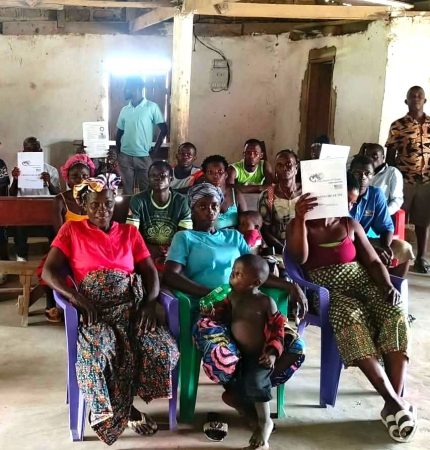
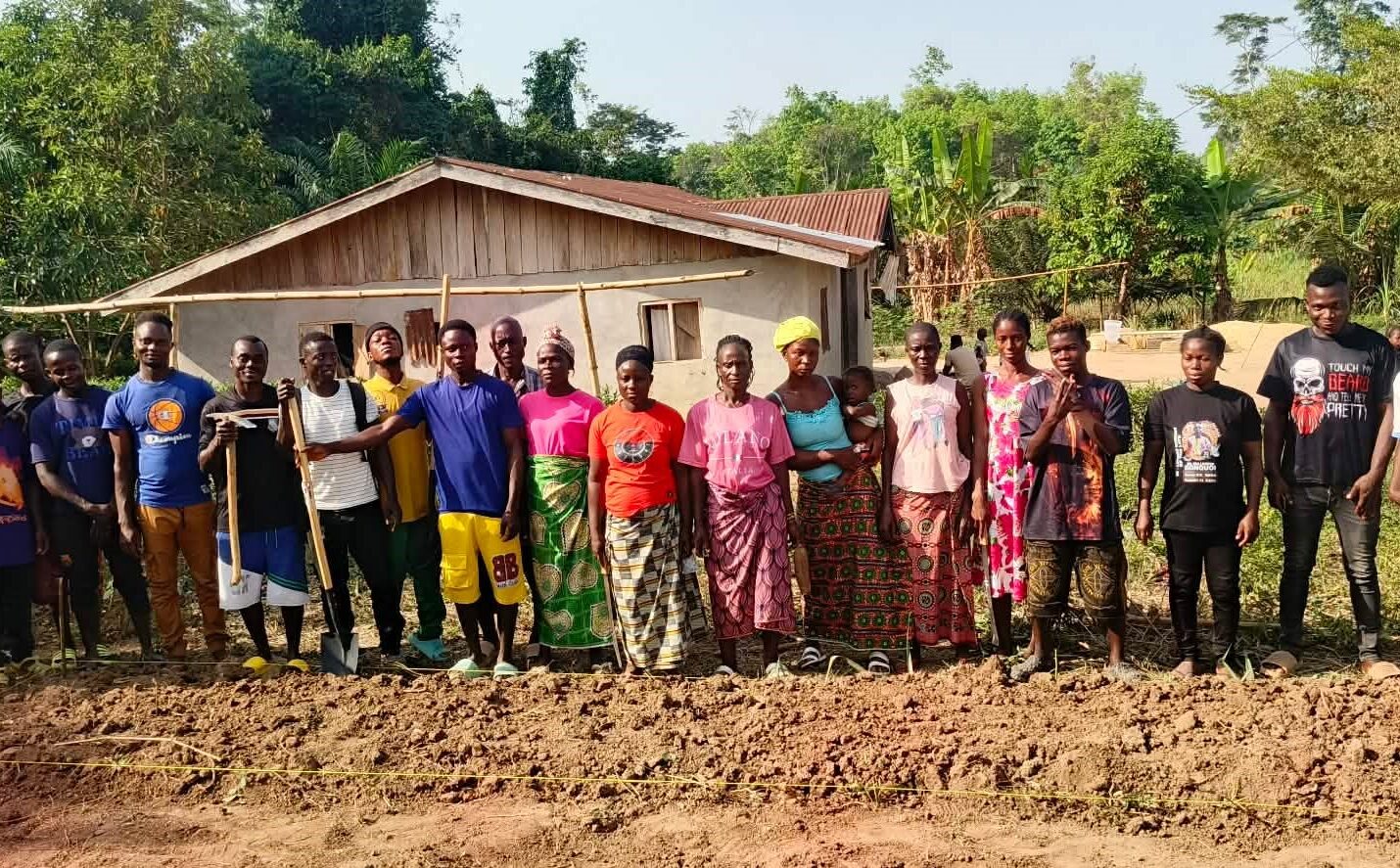
Preston Gonmiah and Emmanuel Kunukee recently completed another successful organic farming workshop with a new group of 18 farmers in Gbedin Township, Liberia. The participants were eager to learn practical skills that will help them improve their harvests, strengthen their families’ nutrition, and increase their income.
Gbedin is located in northern Nimba County along the St. John River, one of Liberia’s major rivers. At Gbedin, the river forms part of the border between Liberia and Guinea in West Africa. Agriculture is the primary source of livelihood for the people of this community.
Preston shared: “The people of Gbedin are well known for vegetable production. Farming is their main source of income. The farmland used by the Gbedin Agriculture Cooperative is flat and very fertile, allowing them to produce excellent vegetable crops.”
The impact of the training is already being felt. The Chairperson of Gbedin Camp #1 expressed the group’s appreciation: “Our farming group has really benefited from the Provision of Hope workshops. We are so grateful for the seeds, tools, and the knowledge we have received on growing nutritious food.”
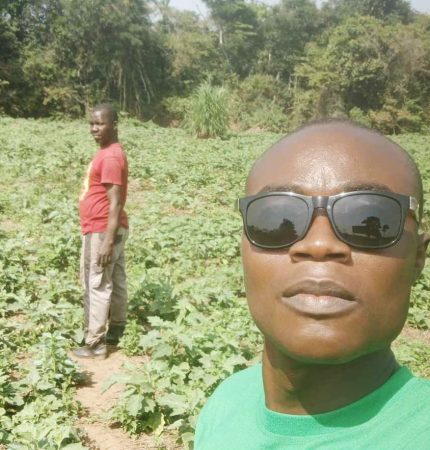
Preston Gonmiah with Fredrick Mensah showing a beautiful okra crop
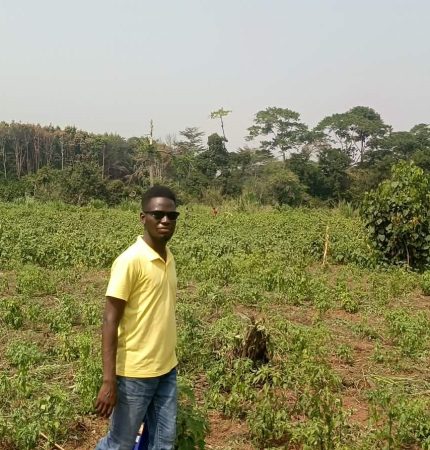
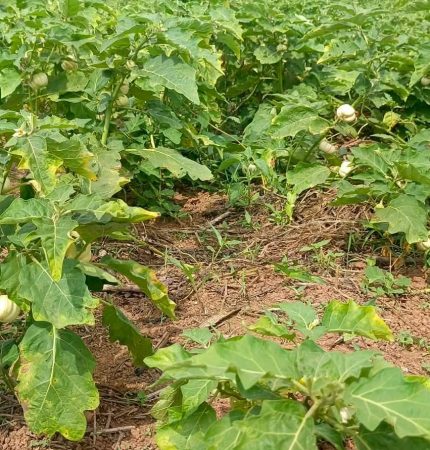
Emmanuel Kunukee at Gbedin Gardens inspecting Egg Plants
Before a farming group is accepted into the program, it goes through a screening process to ensure the members are committed. We look for groups that already have land prepared for planting and have demonstrated initiative and progress in working together.
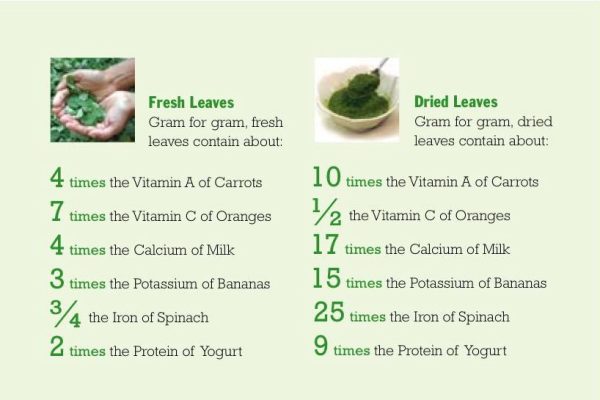
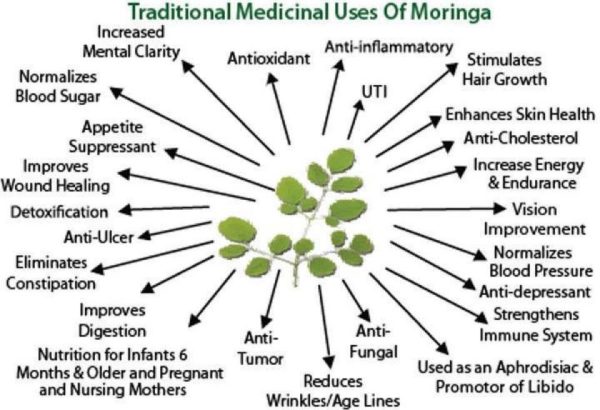
The training is based on Growing Health, a practical 20-page curriculum developed by Thrive for Good. It equips farmers with knowledge that can improve both their health and their livelihoods. Topics covered include: Organic gardening techniques Soil preparation and building healthy soil Growing nutrient-rich foods Foods that help prevent disease The benefits of moringa Medicinal plants Crop rotation Income generation through farming
The program focuses on four key areas: Organic Gardening, Nutrition, Medicinal Plants, and Income Generation.
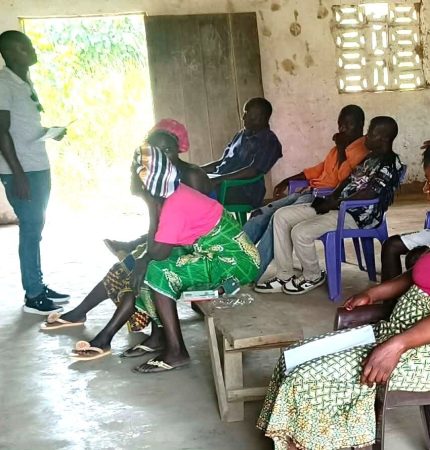
Preston instructing in the classroom
Classroom Time where we study the curriculum on Growing Health
Both Preston and Emmanuel hold degrees in Agriculture, have completed Thrive for Good training, and have experience teaching agriculture in schools. During this workshop, they were joined by John Kucuyoiyoigee, our Head Trainer for Organic Agriculture, who observed and evaluated the training.
His report was very encouraging: “The evaluation showed that the trainers had excellent technical knowledge in organic agriculture and were able to communicate effectively throughout the training. Their knowledge and clear explanations greatly benefited the participants.”
Each participating group receives a starter package of quality seeds and essential gardening tools. We also ensure there is access to a reliable water source for irrigation. Farmers are taught how to save and regenerate seeds so they can continue planting season after season without depending on outside supplies.
The farmers are now growing a wide variety of nutritious crops, including bitterball (African eggplant), cucumbers, peppers, potato greens, moringa, okra, lettuce, peanuts, and many other vegetables.
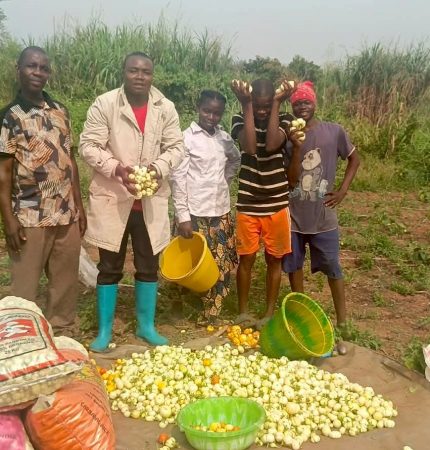
Beautiful harvest of Bitter Ball
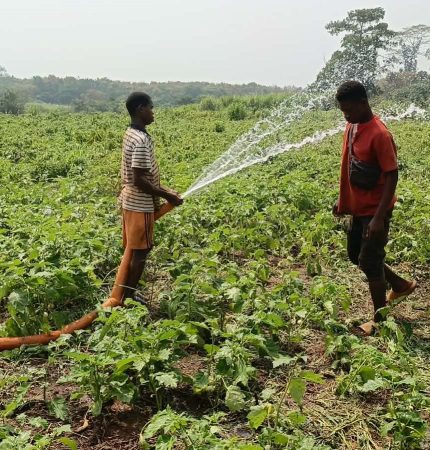
Irrigating Egg Plants
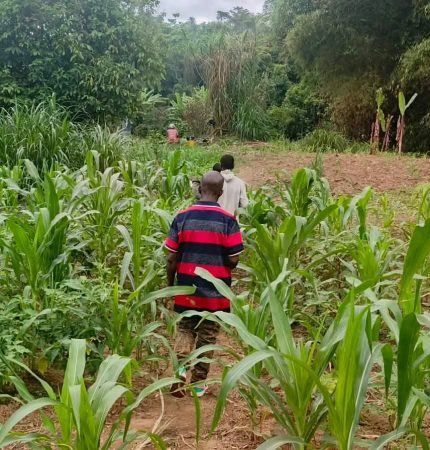
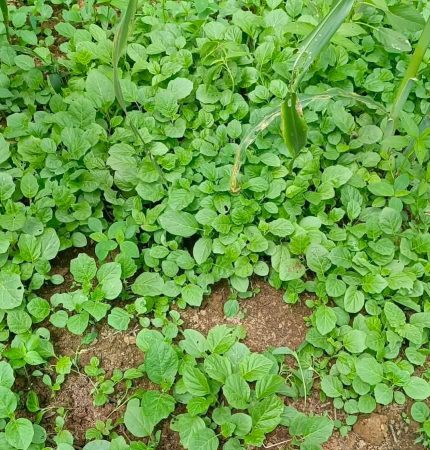
Inspecting Corn Field
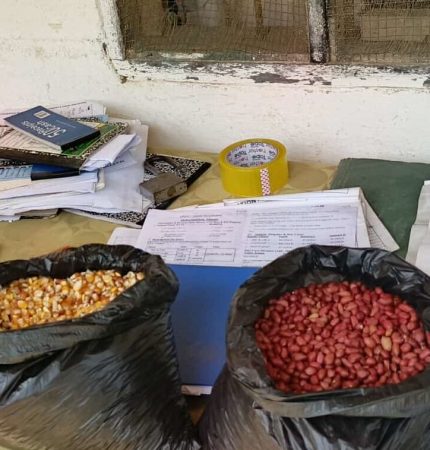
Corn and Bean Seeds
Our support doesn’t end when the workshop is over. We regularly visit each farming group to monitor progress, answer questions, and help solve challenges. Pest management is sometimes an issue, so we provide training and materials for organic pest control and teach farmers how to build healthy soils using natural fertilizers rather than chemical inputs.
We are thrilled with the progress being made by the farming groups in Gbedin Township. Their commitment and enthusiasm are helping strengthen local food production at a time when it is desperately needed.
Although Liberia has fertile land, abundant rainfall, and tremendous agricultural potential, food scarcity remains a serious challenge. Many communities struggle because of poverty, inadequate roads, limited farming resources, and dependence on imported food. By equipping farmers with practical knowledge, quality seeds, and the right tools, we are helping communities become more self-sufficient while improving nutrition and creating new opportunities for income.
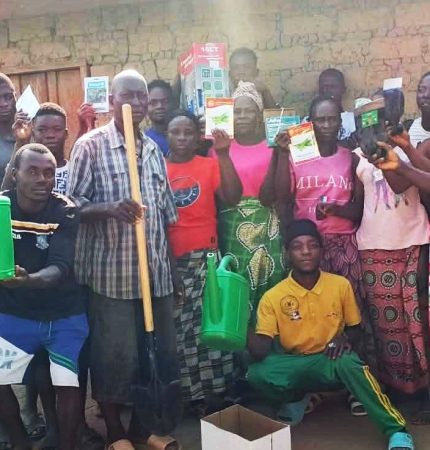
Farmers are happy for new seeds and tools!
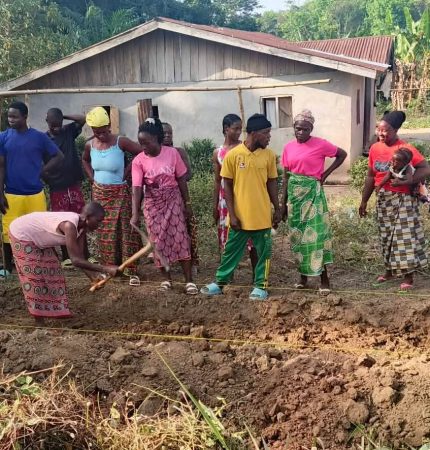
Female gardeners hard at work
Bitterball harvest looks plentiful!
Pepper Plants ready for transplant
None of this would be possible without the faithful support of our donors.
Thank you for providing essential farming tools including shovels, hoes, watering cans, wheelbarrows, sprayers, and cutlasses, as well as the seeds that make each new garden possible.
Your generosity is helping families grow healthy food, improve their livelihoods, and build a more food-secure future for their communities.
Together, we are planting hope that will continue to bear fruit for generations to come.